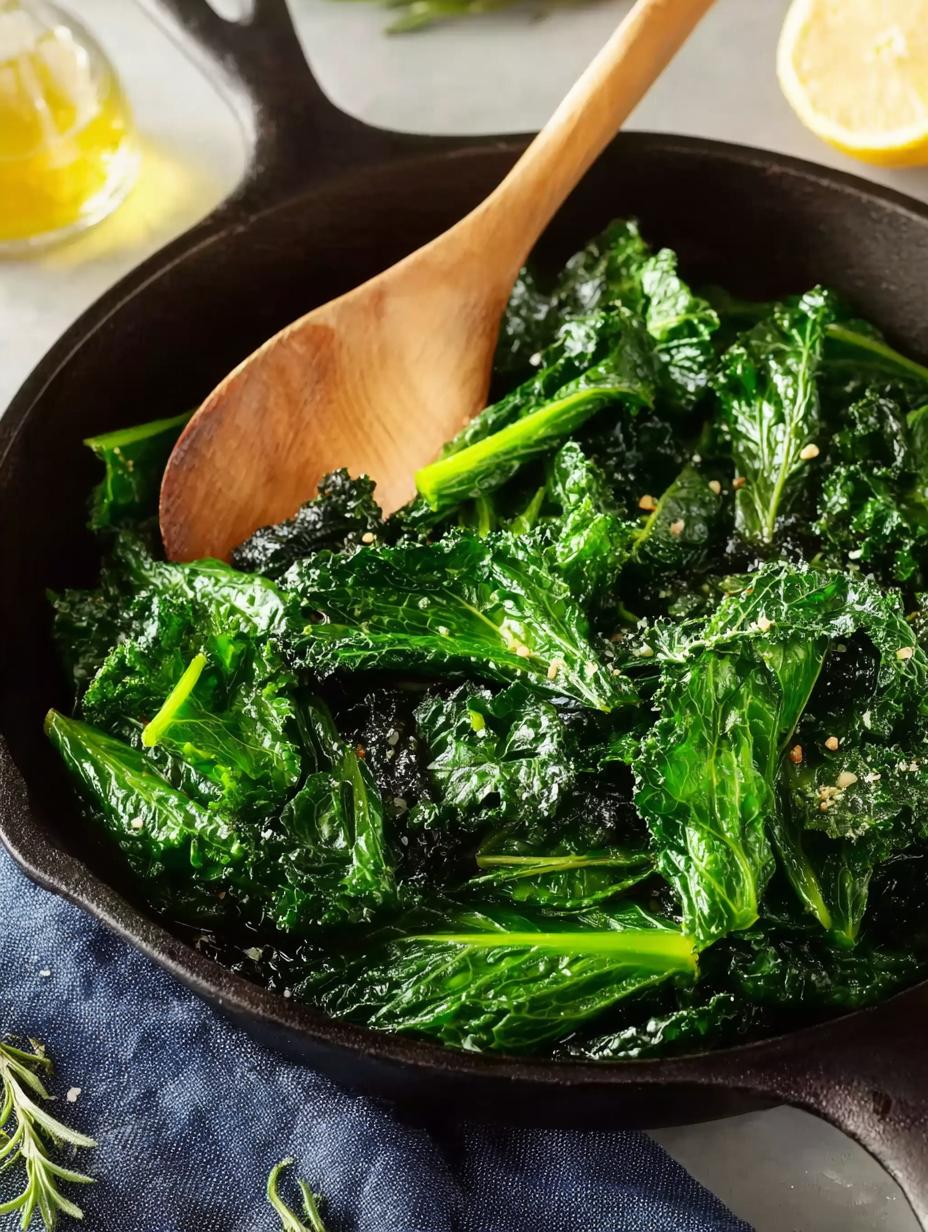
Sautéed Kale Beyond a Side: Transform it into a Full Meal
Often relegated to a humble side dish, sautéed kale possesses an incredible versatility and nutritional density that makes it a prime candidate for the star of your next meal. Far from being a mere accompaniment, perfectly cooked **sauteed kale** can be transformed into a vibrant, satisfying, and wholesome dish that stands tall on its own. With its slightly bitter notes balanced by savory aromatics, a touch of acid, and the right additions, kale can anchor a meal that’s both delicious and incredibly good for you.
Why Sautéed Kale Deserves More Than Just a Side Role
Kale has earned its superfood status for good reason. Packed with vitamins K, A, and C, along with beneficial antioxidants and fiber, it's a nutritional powerhouse. When sautéed, its robust texture softens, and its earthy flavors become more concentrated, making it exceptionally palatable. While it shines brightly alongside roasted chicken or grilled fish, its potential extends much further.
One of the beauties of kale is its variety. Don't limit yourself to just one type!
- Curly Kale: The most common variety, with ruffled, dark green leaves and a slightly peppery flavor. It holds up well to sautéing.
- Lacinato Kale (Tuscan or Dinosaur Kale): Known for its elongated, dark blue-green, puckered leaves. Many prefer lacinato for its tender texture and slightly sweeter, milder flavor, making it easy to wash and cut.
- Red Kale (Red Russian): Features flatter, frilly leaves with reddish-purple stems. It's often considered the sweetest of the bunch, especially when eaten raw, but its sweetness can also be appreciated after a quick sauté.
Regardless of the variety you choose, the volume of kale reduces dramatically during cooking, so don't be alarmed by a seemingly large starting quantity – it will shrink down beautifully.
Mastering the Art of Basic Sautéed Kale
The foundation of any great kale meal starts with a perfectly executed basic **sauteed kale** recipe. This core technique will ensure tender leaves, vibrant color, and deep flavor that can then be built upon. It’s a simple process, but a few key steps make all the difference.
Essential Ingredients for Perfect Sautéed Kale
- Fresh Kale: Approximately 1 ½ lbs, stems removed (or thinly sliced if you want to include them for added texture and nutrients) and leaves coarsely chopped.
- High-Quality Olive Oil: 2-3 tablespoons, for richness and to facilitate cooking.
- Garlic: 2-3 cloves, finely sliced or minced, for aromatic depth.
- Crushed Red Pepper Flakes: To taste (optional), for a subtle or prominent kick.
- Liquid: ½ cup vegetable stock or water, to help steam and tenderize the kale.
- Acidity: 2 tablespoons balsamic or red wine vinegar, or a squeeze of fresh lemon juice, to brighten flavors and cut through any lingering bitterness.
- Salt and Freshly Ground Black Pepper: To taste, essential for seasoning.
Step-by-Step Sautéing Technique
- Prep Your Kale: Wash the kale thoroughly. If using thick-stemmed varieties, hold the stem with one hand and strip the leaves away with the other. Coarsely chop the leaves into bite-sized pieces. If you're including the stems, slice them thinly and add them to the pan before the leaves.
- Heat the Oil and Aromatics: In a large saucepan or skillet, heat the olive oil over medium-high heat. If using, add the crushed red pepper flakes and let them sizzle for about 30 seconds to infuse the oil. Then, add the sliced garlic and cook until soft and fragrant, being careful not to let it brown, which can make it bitter.
- Add Kale and Liquid: Increase the heat to high. Add the vegetable stock or water along with the chopped kale. Toss vigorously to combine, ensuring the liquid and aromatics are distributed. The pan will seem overflowing, but the kale will quickly wilt.
- Steam and Tenderize: Cover the pan and cook for 5 minutes. This steaming step helps to tenderize the kale quickly and efficiently.
- Reduce and Finish: Remove the cover and continue to cook, stirring occasionally, until most of the liquid has evaporated. The kale should be tender but still retain a bright green color. Season generously with salt and pepper, then stir in the balsamic vinegar or lemon juice. Taste and adjust seasonings as needed.
For more detailed guidance on achieving that perfect texture and flavor, explore resources like
Perfect Sautéed Kale: Tips for Tender Leaves & Bold Flavor.
Transforming Sautéed Kale into a Satisfying Main Dish
Once you've mastered the basic **sauteed kale**, the culinary world is your oyster. The beauty is in its adaptability; it pairs wonderfully with a wide array of ingredients that elevate it from a simple side to a fulfilling main course.
Protein Power-Ups
Adding a source of protein is perhaps the most straightforward way to transform your sautéed kale into a meal.
- Legumes: Chickpeas and cannellini beans are classic choices, adding creamy texture and plant-based protein. Stir them in during the last few minutes of cooking, allowing them to warm through and absorb the flavors. Black beans or lentils also work beautifully.
- Eggs: A fried or poached egg placed atop a mound of sautéed kale creates a comforting and quick meal, perfect for breakfast, lunch, or a light dinner. The runny yolk adds a rich sauce.
- Grilled or Roasted Meats: Flaked salmon, shredded chicken, or thinly sliced steak can be tossed in with the finished kale, providing a substantial and balanced meal.
- Plant-Based Meats: Crumbled tempeh, pan-fried tofu cubes, or even vegetarian sausages can be a fantastic addition for a hearty vegan option.
Grain & Starchy Companions
Carbohydrates add substance and make the meal more filling.
- Pasta: Toss your hot sautéed kale with cooked pasta (orecchiette, fusilli, or spaghetti are great choices). A splash of pasta water can create a light sauce. Add extra olive oil and a sprinkle of Parmesan for a simple, yet elegant dish.
- Grains: Quinoa, farro, couscous, or brown rice provide a fantastic base or mix-in. Serve the kale piled high on a bed of warm grains, or gently fold them into the finished kale.
- Toasted Bread: A thick slice of crusty, toasted bread (perhaps rubbed with garlic) makes an excellent platform for a generous serving of sautéed kale, especially when topped with an egg or some cheese. This creates a satisfying open-faced sandwich.
- Root Vegetables: Serve alongside a baked sweet potato or roasted butternut squash for a wholesome, comforting meal.
Flavorful Finishing Touches
Don't underestimate the power of a few extra ingredients to truly make your sautéed kale sing.
- Cheeses: A crumble of feta, goat cheese, or a generous shaving of Parmesan can add a tangy, salty, or umami dimension.
- Nuts and Seeds: Toasted pine nuts, slivered almonds, or sunflower seeds add crunch and a boost of healthy fats.
- Dried Fruits: A small handful of dried cranberries or golden raisins can introduce a subtle sweetness that complements the kale's earthiness, especially when paired with balsamic vinegar.
- Fresh Herbs: A sprinkle of fresh parsley, basil, or chives just before serving adds freshness and aroma.
- Aromatics & Spices: Beyond garlic, consider adding thinly sliced shallots, a pinch of smoked paprika, or a touch of nutritional yeast for a cheesy, umami flavor.
For those seeking a rapid yet flavor-packed preparation, check out
Quick Sautéed Kale: Garlic, Olive Oil & Your New Favorite Side, which can easily be adapted for a full meal.
Pro Tips for Your Best Sautéed Kale Yet
- Don't Waste the Stems: While thick stems should be removed from the leaves, you don't have to discard them. Thinly slice them and add them to the pan with the garlic, allowing them to soften before adding the leaves. They offer a delightful crunch and extra nutrients.
- Combat Bitterness: If you find kale too bitter, a squeeze of fresh lemon juice or a dash of vinegar at the end of cooking (as in our recipe) is excellent. You can also massage raw kale leaves with a little olive oil and salt for a few minutes before cooking to break down tough fibers and reduce bitterness.
- Maintain Bright Green Color: Avoid overcooking. Once the kale is tender and most liquid has evaporated, it's done. Overcooking turns it dull and mushy.
- Batch Cook: Sautéed kale reheats well. Make a larger batch and store it in an airtight container in the fridge for 3-4 days. It makes for quick, healthy additions to future meals.
From a simple side dish, **sauteed kale** truly shines when elevated to a full meal. Its robust flavor, incredible nutritional profile, and amazing adaptability make it a culinary canvas waiting for your creative touch. Whether you're craving a hearty plant-based meal, a protein-packed dish, or a comforting pasta toss, this versatile green is ready to take center stage. Embrace the power of kale and let it inspire your next delicious and healthy creation!