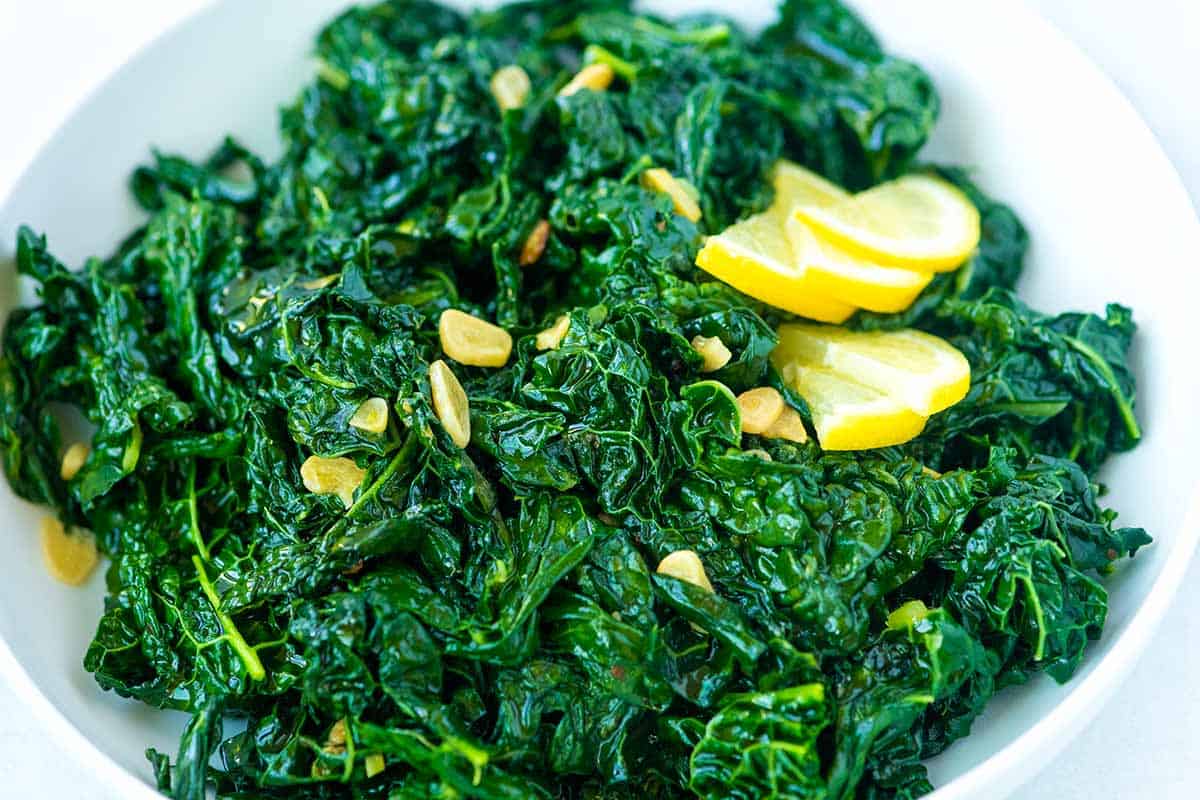
Perfect Sautéed Kale: Unlocking Tender Leaves and Bold Flavor
Often hailed as a superfood, kale is a nutritional powerhouse. But for many, the thought of preparing it can be daunting, conjuring images of tough, bitter greens. Fear not! Achieving perfectly sauteed kale with tender leaves and vibrant, bold flavors is not only simple but incredibly rewarding. This comprehensive guide will walk you through the secrets to transforming this leafy green into a side dish that can easily steal the show or even become a satisfying main meal. Get ready to elevate your cooking and fall in love with kale all over again.
Mastering the Art of Tender Sautéed Kale
The journey to tender sauteed kale begins long before it hits the pan. Proper selection and preparation are crucial for ensuring a delightful texture and maximum flavor absorption.
Choosing Your Kale Variety
While all kale varieties offer similar nutritional profiles, some are more suited for sautéing and can impact the final texture:
- Curly Kale: This is the most common variety, with ruffled, dark green leaves. It holds up well to cooking but can be a bit tougher if not cooked properly.
- Lacinato Kale (Tuscan, Dinosaur Kale): Characterized by its long, narrow, dark blue-green leaves with a crinkly texture. Lacinato kale is often preferred for sautéing because it tends to be more tender than curly kale and is generally easier to wash and chop due to its flatter leaves.
- Red Kale (Red Russian Kale): With flat, frilly leaves and purple stems, red kale is considered the sweetest of the bunch, especially in its raw form. It also sautées beautifully.
For ease of preparation and inherent tenderness, we often recommend lacinato kale, but any variety will yield delicious results with the right technique.
Preparation: Cleaning and Destemming
Don't be alarmed by the seemingly large volume of kale in its raw state; it dramatically reduces as it cooks. Proper preparation is key:
- Wash Thoroughly: Kale can harbor dirt and grit. Rinse the leaves vigorously under cold running water, or submerge them in a bowl of water, swishing gently, then lift out and drain. A salad spinner can be invaluable here for drying.
- Remove Thick Stems: The thick, fibrous stems of kale are typically too tough for sautéing. To remove them, simply fold each leaf in half lengthwise and run your knife along the stem, or tear the leafy part away from the stem with your hands.
- Don't Waste the Stems (Optional): While not ideal for quick sautéing, kale stems are edible! Thinly slice them and add them to the pan a few minutes before the leaves to give them a head start, or save them for other dishes like braised greens, stocks, or even finely minced in stir-fries.
- Coarsely Chop: Once destemmed, stack the leaves and coarsely chop them into bite-sized pieces, roughly 1 to 2 inches.
The "Sweat" Method for Ultimate Tenderness
Many sautéed kale recipes simply involve tossing kale in a hot pan until it wilts. While this works, a superior method involves a brief steaming phase. This technique, often referred to as "sweating," helps break down the kale's fibrous structure, ensuring it becomes beautifully tender while retaining its vibrant green color. The liquid (stock or water) combined with covering the pan creates a steamy environment that gently cooks the kale to perfection.
Building Bold Flavors: Beyond Salt and Pepper
While tender leaves are essential, it's the interplay of aromatics and a bright finish that truly makes sauteed kale sing. Our goal is to balance kale's natural earthy, slightly bitter notes with savory, pungent, and acidic elements.
- The Aromatic Foundation (Olive Oil, Garlic, Red Pepper Flakes):
- Olive Oil: A good quality extra virgin olive oil provides a rich, fruity base. Heat it over medium-high heat until shimmering.
- Crushed Red Pepper Flakes: For those who love a little heat, adding red pepper flakes to the hot oil allows them to "bloom," releasing their fiery essence and infusing the oil with a subtle warmth. Adjust to your preference, or omit entirely for a milder dish.
- Garlic: Finely sliced or minced garlic is non-negotiable for most savory sautéed greens. Add it after the pepper flakes (if using) and cook until fragrant and softened, but be careful not to let it brown or burn, as this will introduce an unpleasant bitterness.
- The Liquid Boost (Vegetable Stock or Water): Once the aromatics are fragrant and the kale is added, a half-cup of liquid is the secret to tender leaves. Vegetable stock will lend more depth of flavor, while water is a perfectly acceptable substitute and allows the kale's natural taste to shine. This liquid, combined with covering the pan, creates the steaming environment discussed earlier.
- The Acidic Finish (Balsamic or Red Wine Vinegar): This is where the magic happens! A splash of vinegar at the end is crucial. It brightens the flavor profile, cuts through any lingering bitterness, and adds a delightful tang. Both balsamic and red wine vinegar work beautifully. Balsamic offers a sweeter, more complex note, while red wine vinegar provides a sharper, fruitier acidity. Alternatively, a squeeze of fresh lemon juice at the end can provide a similar brightening effect.
- Seasoning: Liberally season with salt and freshly ground black pepper to taste. Remember to add seasoning in stages, tasting as you go, to ensure perfect balance.
Step-by-Step Guide to Perfect Sautéed Kale
With your ingredients prepped and your flavor philosophy in mind, let's get cooking! This method ensures tender, flavorful results every time.
- Heat the Oil: In a large saucepan or skillet with a lid, heat 2-3 tablespoons of olive oil over medium-high heat until it shimmers.
- Sizzle Aromatics: If using, add crushed red pepper flakes and let them sizzle for about 30 seconds to infuse the oil. Then, add 2 finely sliced garlic cloves and cook, stirring, until soft and fragrant but not colored (about 1-2 minutes).
- Add Kale and Liquid: Raise the heat to high. Add 1½ lbs of prepared (destemmed and coarsely chopped) kale to the pan. It will seem like a lot! Pour in ½ cup of vegetable stock or water. Toss the kale vigorously with tongs to combine it with the aromatics and liquid.
- Steam to Tenderness: Immediately cover the pan with a lid and reduce the heat to medium-high. Let the kale steam for 5 minutes. This crucial step will tenderize the leaves and help them release their own moisture.
- Evaporate Liquid: Remove the cover. The kale will have significantly reduced in volume and should be bright green and tender. Continue to cook, stirring occasionally, until most (or all, depending on your preference) of the liquid has evaporated. This can take another 3-7 minutes.
- Season and Finish: Remove from heat. Season generously with salt and freshly ground black pepper to taste. Stir in 2 tablespoons of balsamic or red wine vinegar (or a squeeze of lemon juice). Toss one last time and serve immediately.
Sautéed Kale: More Than Just a Side Dish
While sauteed kale makes an outstanding accompaniment to almost any meal – from roasted chicken and pan-seared fish to grilled steaks – its versatility extends far beyond the realm of a simple side. It can effortlessly transition into the star of the show.
Here are just a few ideas to incorporate it into your main meals:
- Hearty & Wholesome: Stir in cooked chickpeas, cannellini beans, or other legumes at the end of cooking for a protein-packed vegetarian meal.
- Pasta Perfection: Toss your sautéed kale with your favorite cooked pasta, a drizzle of olive oil, and a sprinkle of Parmesan cheese for a quick and satisfying dinner.
- Grain Bowls: Use it as a flavorful base or topping for grain bowls featuring quinoa, farro, or brown rice, along with other roasted vegetables and a protein.
- On Toast: Pile it high on toasted crusty bread or crostini, perhaps with a dollop of ricotta or a fried egg on top, for a sophisticated breakfast, brunch, or light lunch.
- Pizza Topping: Spread it over a pizza crust with your favorite cheese for a healthy and delicious vegetarian pizza option.
- Breakfast Boost: Fold it into an omelet or scramble, or serve it alongside fried eggs for a nutritious start to your day.
For more creative ways to elevate this humble green, explore our guide on Sautéed Kale Beyond a Side: Transform it into a Full Meal.
Common Sautéed Kale Questions Answered
- How much kale should I cook per person? As kale shrinks significantly, plan for about ½ pound of fresh kale per serving as a side dish. If it's a main component, you might want closer to ¾ to 1 pound per person.
- Can I use frozen kale? Yes, you can! Thaw it first and squeeze out as much excess water as possible before adding it to the pan. The cooking time will be shorter as it's already blanched.
- How do I reduce bitterness in kale? Proper cooking, especially the steaming method, helps. The addition of acid (vinegar or lemon juice) at the end is also key to balancing any bitterness. Some also find massaging raw kale with a little olive oil and salt helps tenderize and reduce bitterness before cooking.
Mastering sauteed kale is a culinary skill that opens up a world of healthy, delicious possibilities. By focusing on proper preparation, utilizing the "sweat" method for tenderness, and finishing with bright, acidic notes, you can consistently achieve a dish that's both deeply flavorful and wonderfully tender. Experiment with different kale varieties, adjust the spice level to your liking, and get creative with how you incorporate it into your meals. Once you experience perfectly sautéed kale, it's sure to become a staple in your kitchen. For a quick and easy rendition of this classic, check out our guide to Quick Sautéed Kale: Garlic, Olive Oil & Your New Favorite Side.
